It was supposed to be a celebration. Instead, it became a case study in the disconnect between cultural dominance and financial reality. When BTS returned after a four-year hiatus with their Arirang project, they didn't just release an album—they triggered a seismic event across global media, streaming platforms, and stock markets.
The timeline was precise: Friday, March 20, 2026, saw the album drop. Saturday, March 21, brought the live spectacle. But while fans celebrated record-breaking numbers, investors were left scrambling as shares of parent company HYBE plummeted by 14.5% in a single day. Here’s the thing about this comeback—it wasn’t just music. It was a stress test for the entire K-pop industry.
The Numbers That Shook the Industry
Let’s look at the raw data first, because the scale is genuinely staggering. According to reports from Tatler Asia, the Arirang album moved approximately 3.98 million copies within days, tracked via the Hanteo chart system. That alone would be headline news for any artist. But BTS operates on a different plane.
On the digital front, the associated content racked up 300 million streams on Netflix. Yes, Netflix. The streaming giant didn’t just host the concert; they made it the centerpiece of their global entertainment strategy for the weekend. The official event, titled BTS THE COMEBACK LIVE | ARIRANGGlobal Stream, drew 18.4 million unique viewers during its Live+1 window (the initial broadcast plus one day of catch-up viewing).
To put that in perspective, most major sports finals struggle to hit those concurrent viewer numbers globally. For a music group that hasn’t released new material together since 2022, these figures suggest that the "BTS effect" hasn’t faded—it has merely changed shape.
The Seoul Spectacle and the Street Reality Check
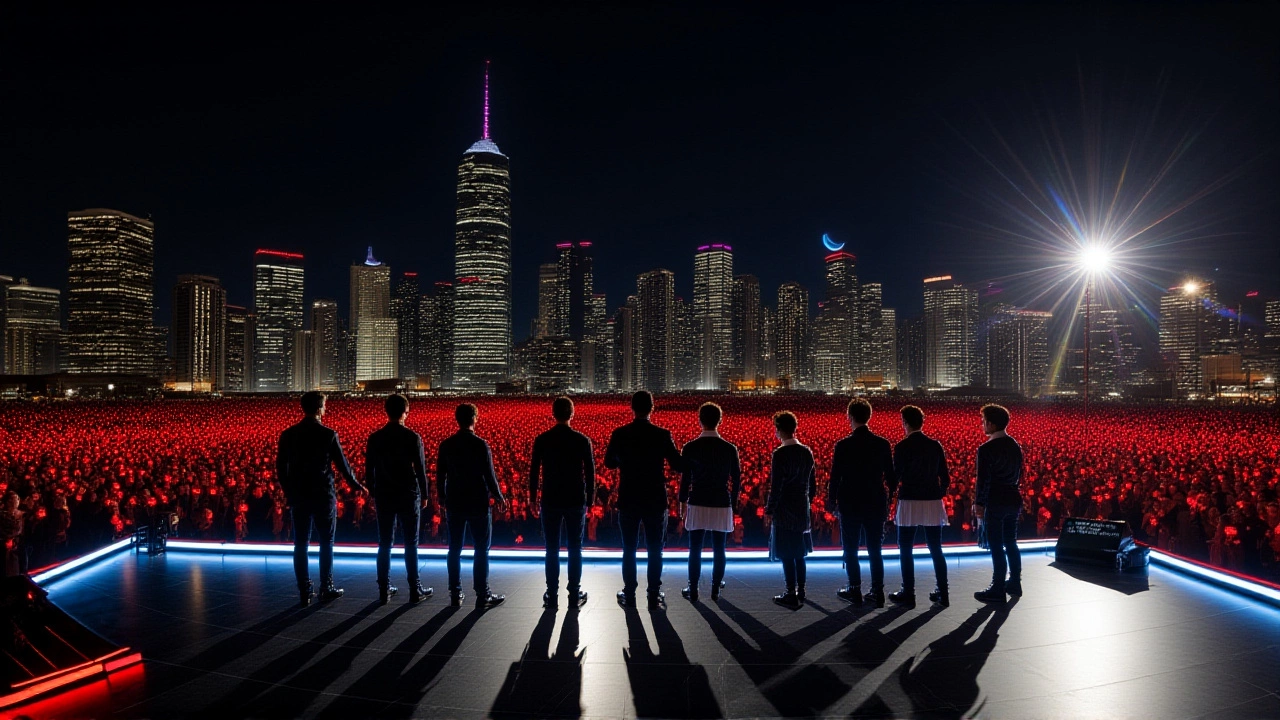
In Seoul, the atmosphere was electric. The in-person performance, branded as BTS Comeback Live: Arirang, filled a central venue with 22,000 seated fans. Complex described it as a "record crowd," emphasizing the sheer density of emotion in the capital city. Security was tight, the production value was immense, and for those inside, it felt like history.
But wait. There’s always a twist. While the stadium was full, the streets outside told a different story—one that worried Wall Street analysts. According to a Reuters report cited in Hindi-language coverage, market pundits had expected a street turnout of roughly 250,000 people (2.5 lakh) to celebrate the return. Instead, only about 42,000 showed up on the sidewalks.
That gap—between 250,000 expected and 42,000 actual—became the focal point for bearish sentiment. Investors interpreted the lower physical turnout as a sign of cooling fervor, despite the massive digital engagement. It’s a classic clash: viral metrics versus visible mass mobilization.
Why HYBE Shares Tanked
The financial reaction was swift and brutal. HYBE’s stock dropped nearly 15% following the event. Why? Because the market doesn’t care about 300 million streams if it thinks the fanbase is fragmenting or losing purchasing power outside the digital realm.
Analysts pointed to the discrepancy between the hype cycle and the ground-level reality. The "Live+1" metric, while impressive, includes passive viewing. The street turnout, however, requires active effort and time. When that number fell short of expectations, it signaled to shareholders that the logistical and economic machinery behind BTS might not be as robust as previously assumed.
Furthermore, the reliance on Netflix raised questions about long-term revenue models. Is BTS becoming a streaming-first act rather than a touring powerhouse? If so, how does that impact HYBE’s valuation, which has historically been tied to ticket sales and merchandise?
The Fanbase Factor: ARMY’s New Benchmark
You can’t talk about BTS without talking about ARMY, their global fandom. This comeback highlighted a shift in how ARMY engages. They aren’t just buying albums; they’re curating cultural moments. The Hindi media coverage noted that ARMY set a "new example" in their response, suggesting a more organized, perhaps more selective, approach to support.
This isn’t necessarily bad. It means higher loyalty per fan, even if the total visible crowd shrinks. But for traditional metrics, it looks like decline. The challenge for HYBE is convincing investors that digital devotion translates to sustainable profit.

What Comes Next for K-Pop?
The Arirang era is likely to become a reference point for future comebacks. Other agencies will study this model: high-production live stream + limited physical attendance + massive digital footprint. Will it work for them? Probably not. BTS remains an anomaly.
For now, the group has proven they can still move millions. But the question hanging over Seoul is whether the industry can adapt to a world where success is measured in pixels rather than people on the pavement. The answer will determine not just HYBE’s stock price, but the future of K-pop itself.
Frequently Asked Questions
Why did HYBE stock drop after BTS's successful comeback?
HYBE shares fell approximately 14.5% because investors reacted negatively to a lower-than-expected physical street turnout in Seoul. While digital streams and album sales were record-high, analysts had anticipated 250,000 people celebrating on the streets, but only 42,000 appeared. This discrepancy led to concerns about the sustainability of BTS's offline influence and its impact on HYBE's revenue model.
How many people watched the BTS Arirang concert on Netflix?
The live event, titled "BTS THE COMEBACK LIVE | ARIRANG," attracted 18.4 million global viewers during its Live+1 window. This metric includes both the initial live broadcast on March 21, 2026, and views within the following 24 hours, demonstrating massive global reach despite the smaller physical audience in Seoul.
What were the album sales figures for Arirang?
According to Hanteo chart data reported by Tatler Asia, the Arirang album sold approximately 3.98 million copies shortly after its release on March 20, 2026. These sales, combined with 300 million related streams on Netflix, marked one of the strongest commercial debuts in recent K-pop history.
Was the Seoul concert attended by a large crowd?
Yes, the in-person show in central Seoul featured 22,000 seated fans, which Complex described as a record crowd for such an event. However, the controversy arose from the much smaller number of fans who gathered on the surrounding streets, which fell significantly below analyst expectations.
When did BTS officially return with the Arirang project?
BTS released the Arirang album on Friday, March 20, 2026. The accompanying live concert, "BTS THE COMEBACK LIVE | ARIRANG," streamed globally on Netflix starting at 4:00 AM Pacific Time on Saturday, March 21, 2026, marking their first major group activity in four years.